
Parents hear many opinions about orthodontic timing. Some are told to wait. Others are urged to act early. The conversation has changed as research and clinical results continue to stack up. The early orthodontic treatment benefits are no longer framed as optional extras, but as practical steps that can shape oral health outcomes for years. This article explains why early orthodontic care is gaining attention, what has changed in modern treatment planning, and how timing can influence long-term results.
Why Timing Matters More Than Parents Realize
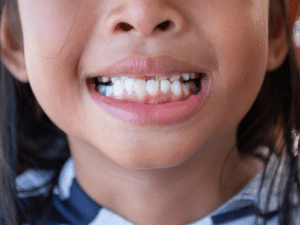 Growth plays a major role in how the jaws, teeth, and bite develop. During childhood, bones are still forming and responding to pressure. This creates opportunities that simply do not exist later. Addressing concerns during these years can guide development instead of correcting problems after they are fully set.
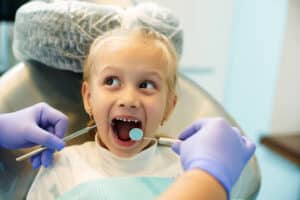
Many parents are surprised to learn that the orthodontic evaluation age is often earlier than expected. This is not because treatment always starts right away. It is because early assessment helps identify spacing issues, jaw imbalances, and bite problems before they progress. Some children only need monitoring, while others benefit from early intervention.
Waiting too long can limit options and increase complexity. Problems that begin small can affect chewing, speech, and oral hygiene over time. Early evaluation allows orthodontists to plan with growth in mind and avoid unnecessary treatment down the road.
How Phase 1 Orthodontic Treatment Guides Proper Development
Early orthodontic care often focuses on guiding growth rather than moving every tooth at once. This approach looks at how the jaws are forming and how teeth are expected to erupt. When growth is supported at the right stage, future alignment can become more predictable and efficient.
Phase 1 orthodontic treatment is designed to address issues while the mouth is still developing. It may involve expanders, limited braces, or aligners to create space and improve jaw relationships. The goal is not a perfect smile yet, but a healthier foundation for later treatment.
Early guidance can support several key areas:
- Creating space for permanent teeth to come in naturally
- Improving jaw balance and facial symmetry
- Reducing the risk of crowding or impacted teeth
- Supporting easier oral hygiene during growth
This stage often shortens or simplifies future care. In some cases, it can reduce the need for more complex correction later.
Early Bite Issues That Should Never Be Ignored
A developing bite can show signs of trouble long before all adult teeth are present. These issues may not cause pain at first, which makes them easy to miss. Over time, though, they can affect chewing, speech, and how the teeth wear down.
Early bite correction can address problems such as crossbites, open bites, and underbites while growth is still active. Making adjustments at this stage allows the jaws to shift into healthier positions. This can reduce uneven pressure on teeth and joints as the mouth continues to develop.
When bite concerns are left alone, they often become harder to manage. Teeth may compensate in unhealthy ways, leading to crowding or uneven wear. Treating bite issues early helps protect function and creates a more stable starting point for future orthodontic care.
The Long-Term Benefits of Treating Orthodontic Problems Early
Early care can change how treatment looks later in life. When growth is guided instead of corrected after the fact, outcomes tend to be more stable. Many families find that early orthodontic treatment benefits extend beyond appearance and into daily comfort and oral health.
Children who receive timely care often need shorter and less complex treatment later on. Teeth have more room to erupt, and jaw relationships are already improved. This can lower the chances of extractions or extended use of appliances during the teen years.
Some long-term advantages of early care include:
- Reduced risk of severe crowding
- Improved bite function and chewing efficiency
- Better support for speech development
- Easier oral hygiene as teeth align more naturally
Addressing concerns early can also support confidence during key developmental years. It allows orthodontic care to work with growth instead of against it.
Modern Treatment Options That Make Early Care More Accessible
 Orthodontic care for children has changed significantly over the years. Today’s options are designed to be more comfortable, less noticeable, and easier to manage at home. This shift has made early treatment feel more approachable for both parents and kids.
Invisalign Logan is one example of how clear aligner systems are being used earlier in treatment planning when appropriate. These removable aligners can help guide tooth movement without brackets or wires. For some children, this makes daily routines like eating and brushing much simpler.
Modern braces have also improved. Appliances are smaller, more efficient, and often require fewer adjustments. With these advances, early orthodontic care can fit more naturally into a child’s life while still supporting healthy development.
Common Questions Parents Have About Early Orthodontic Care
1. Does every child who gets early orthodontic care need braces later?
Not always. Some children only need early guidance to correct growth patterns, while others may still need braces or aligners during the teen years.
2. Are early orthodontic treatments uncomfortable for children?
Most early treatments are designed with comfort in mind. Appliances are smaller and adjusted gradually to reduce discomfort.
3. Can early orthodontic care help with speech or chewing issues?
Yes. Improving jaw alignment and bite function can support clearer speech and more efficient chewing as a child grows.
4. How long does early orthodontic treatment usually last?
The length varies, but early treatment is often shorter than full orthodontic care. Many plans focus on a specific goal rather than complete alignment.
Early Orthodontic Care at Farrow Orthodontics
At Farrow Orthodontics, we care for patients of all ages across Philadelphia. We provide early, teen, and adult orthodontic treatment using Invisalign and braces. Our approach focuses on timing, comfort, and clear planning, so early care supports healthy development instead of reacting to problems later.
We serve families throughout the city with free initial exams and flexible payment options. Our goal is to make orthodontic care accessible while keeping the experience welcoming and supportive.
If you are considering an early evaluation for your child, schedule a complimentary exam or start a virtual consultation with our team today.